



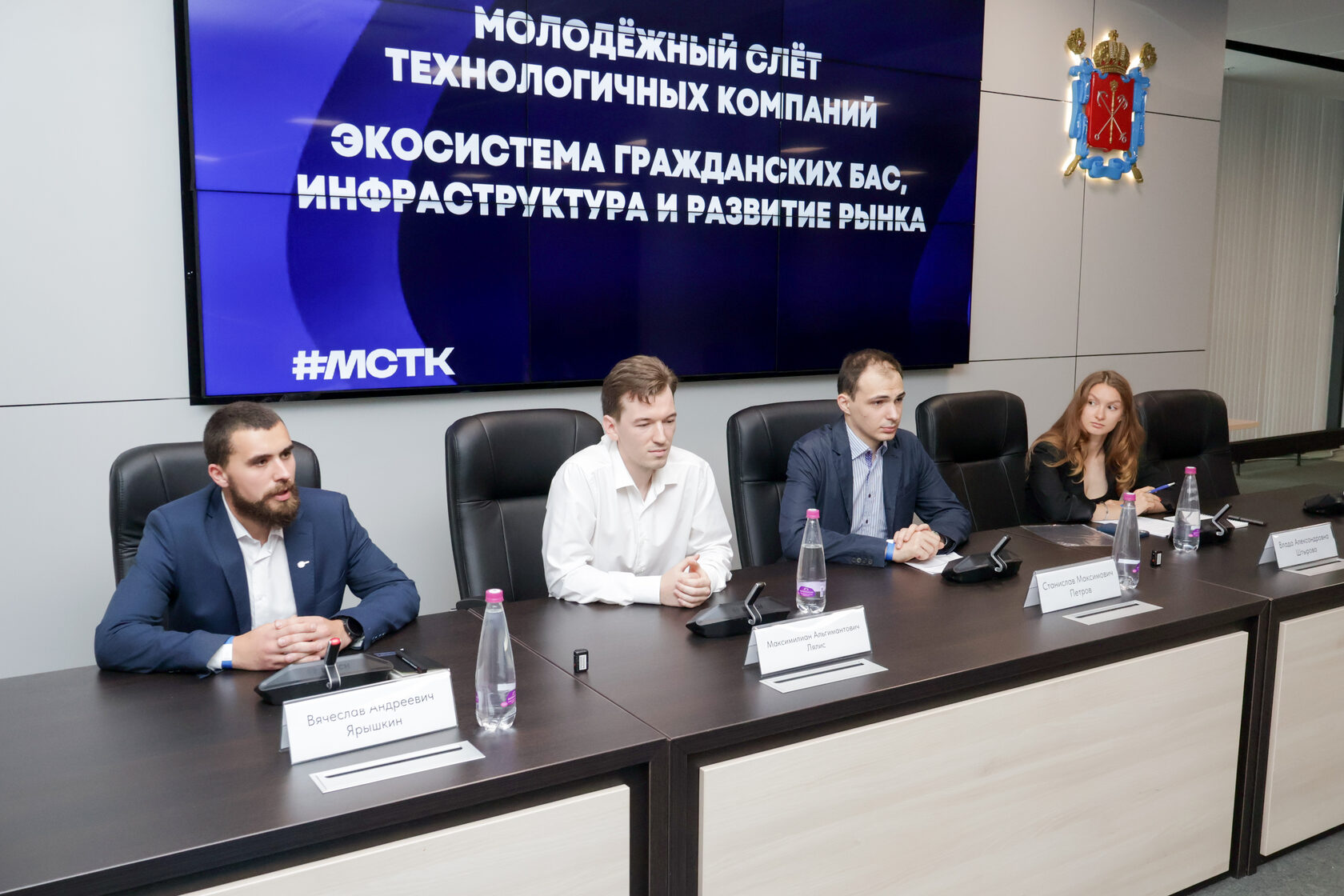
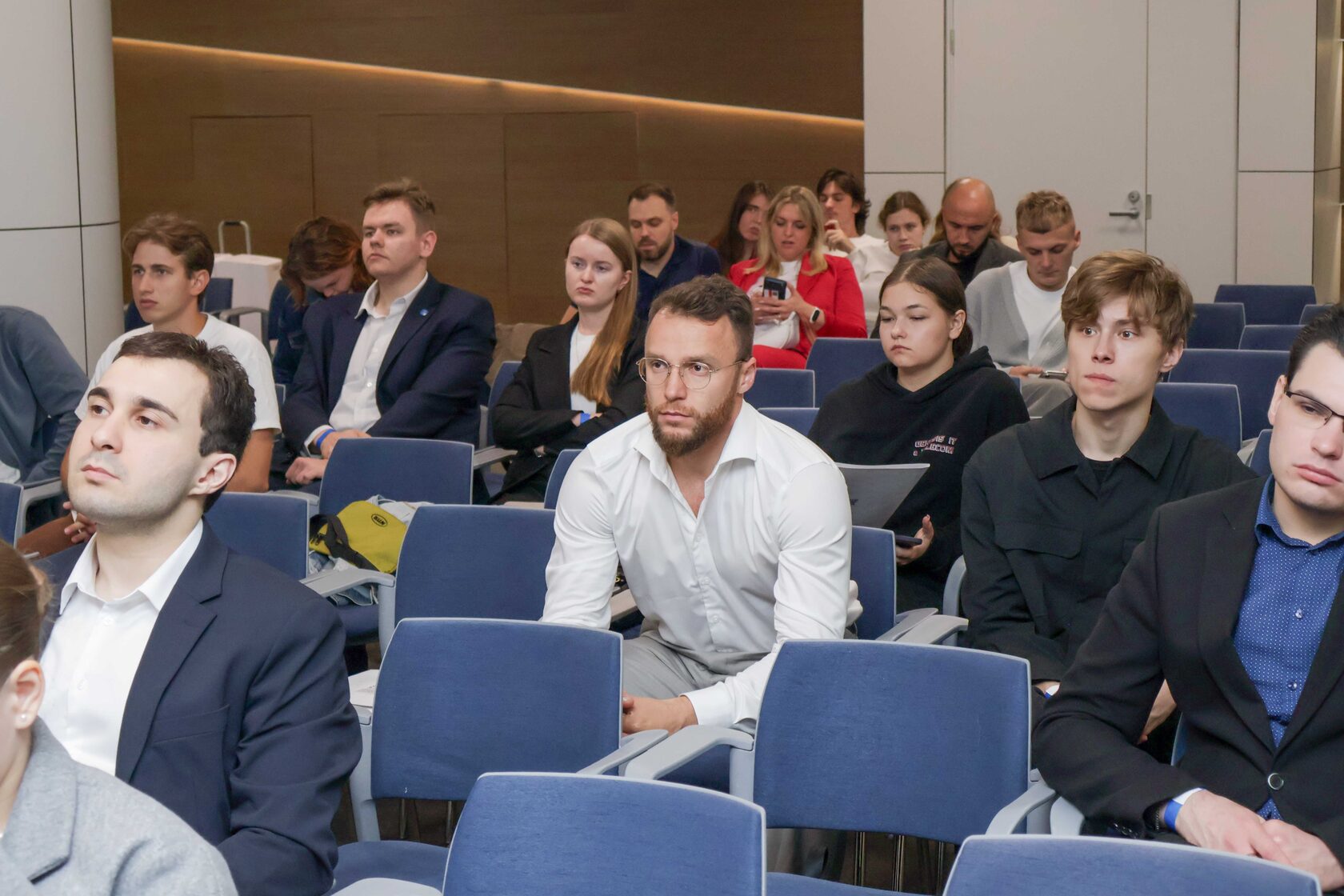
At the recent MRTC 2026, the Technopark held two sessions on relevant and high-demand topics: the development of dual-use unmanned technologies for civil and special tasks, the integration of robotic and unmanned systems in industry, and effective federal support measures for small technology companies.
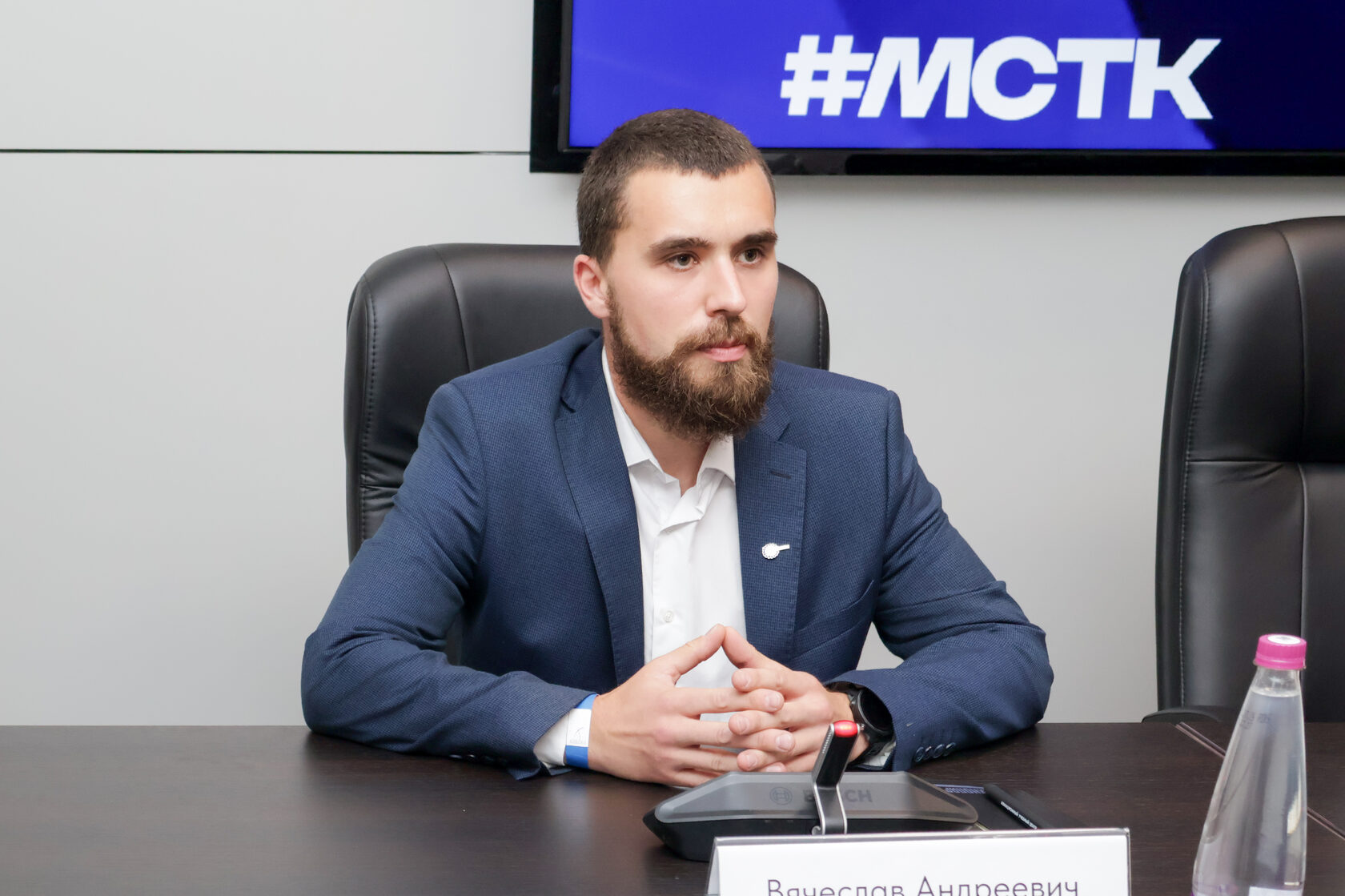
The first session was moderated by Vyacheslav Yaryshkin, Head of the Center for Unmanned Technology Development at the Saint Petersburg Technopark, who discussed various successful UAV application scenarios, ranging from monitoring water areas and urban territories to searching for missing persons.
Residents of the Technopark's UAS Research and Production Center shared their experience in transitioning from prototypes to mass production, practices for developer interaction with industrial customers, technology testing in real-world conditions, and the formation of a market for domestic solutions.
Key messages:
Wheelies Company

Course for autonomy: half of UAV projects involve monitoring linear, industrial, and natural sites; 25% - autonomous cargo delivery tasks, 15% — mapping and 3D modeling, and 10% — specialized industry scenarios.
Atlas Aero Company
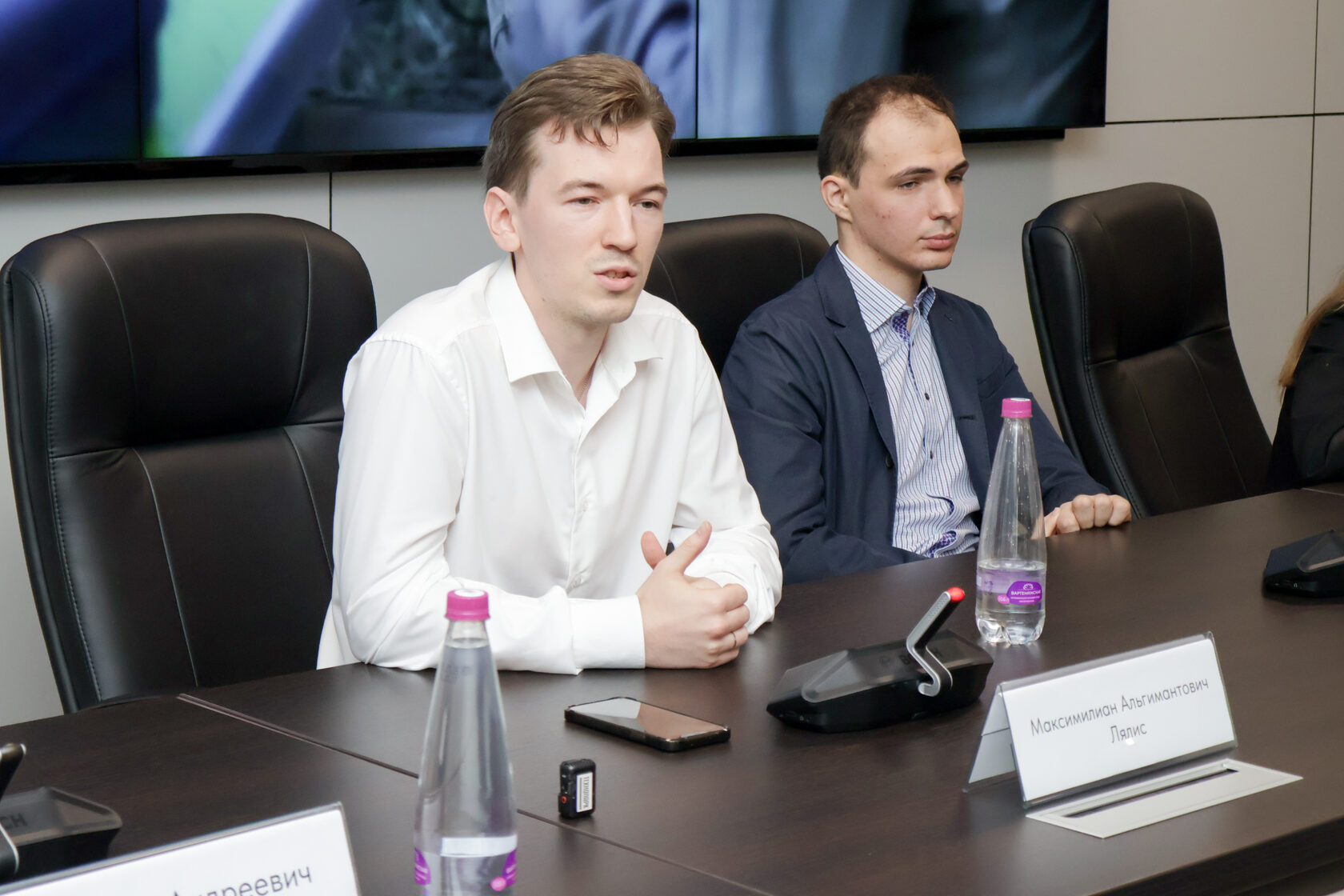
The civilian UAS market is highly promising and, by various estimates, could grow more than 10-fold by 2030; rather than developing UAS from scratch, a universal multi-rotor platform should be used. Technologies 360 Company: effective UAV protection can only be comprehensive, accounting for the specific characteristics of the facility.
At the session on support measures for small technology companies, Vladislav Semenov, Senior Project Manager at the Technopark Business Incubator, used specific examples to describe various financial support instruments provided by the Technopark.
“As a regional operator for the ATR, CITI, FASIE, and ARF, the Technopark helps aggregate all major state funding programs for innovation projects. Operating as a single regional window, it helps involve industrial customers from large businesses and state corporations in supporting young projects. The Technopark combines the opportunity for projects to receive both state financial support measures and private venture capital, thanks to an extensive partner network of Russian venture funds and business angels. This creates a single regional entry point for projects in need of development funds, which is not limited to one type of instrument and helps leverage all opportunities and options for obtaining necessary financial support.”